
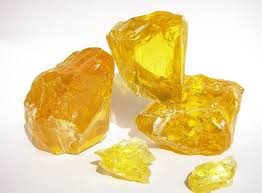

Mastic gum is the name for the sap from the mastic tree, also known by its scientific name Pistacia lentiscus. The sap, commonly found in this tree, is commonly found in the Mediterranean region. Mastic gum is now processed into chewing gum, supplements, capsules, and herbal remedies.
Getting to Know Mastic Gum
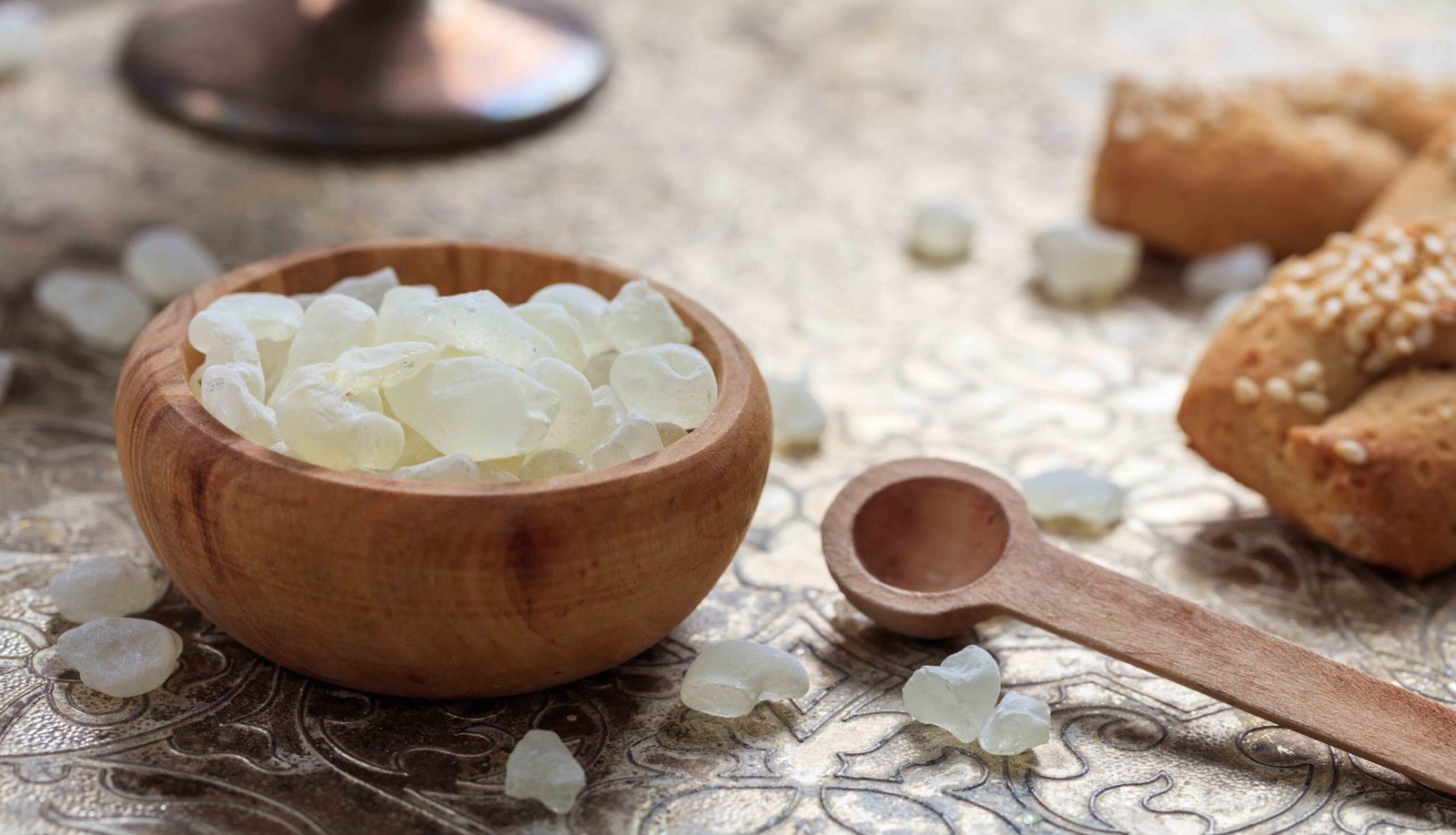
Mastic gum has been used since ancient Greece. Traditionally, it was used as chewing gum, consumed directly to freshen breath and aid digestion. Meanwhile, in the United States, this mastic gum is sold as a dietary supplement in capsule or tablet form.
However, it's possible to purchase damar wangi resin raw or in gum oil form . Damar wangi oil can be used as an essential oil to treat certain skin conditions.
To collect sap from the damar wangi tree, an incision is made in the bark during the harvest season, from July to October. The sap is collected in a special container, where it is then extracted. The raw sap resembles a teardrop, hence the name "Chios teardrop."
Chios is the name of a Greek island where mastic trees are traditionally cultivated to this day. Besides its local Greek name, mastic gum is also known as Arabic gum, lentisco, lentisk, mastiha, mastixa, and Yemen gum.
Mastic gum production in Greece is controlled by a cooperative called the Chios Gum Mastic Growers Association (CGMGA). It has exclusive management of mastic gum production in Greece and abroad. Meanwhile, mastic gum production has traditionally also occurred in Turkey. However, cultivation of the tree is very limited to the Esme Peninsula, on the Turkish coast.
Due to the tree's rarity, the Turkish Foundation for Combating Soil Erosion, Reforestation, and the Protection of Natural Habitats (TEMA) has been a key player in protecting mastic gum production in Turkey. The organization is also working to revive mastic gum production and commercialization with a massive planting campaign of over 3,000 new trees by 2016.
Benefits of Mastic Gum
Many people in the Mediterranean region chew mastic gum as a regular candy because it has numerous health benefits. Furthermore, mastic gum is available in capsule, powder, and oil forms, all of which are associated with numerous health benefits.
Promotes Digestion
A 2005 study found that mastic gum, when chewed as gum, can relieve stomach discomfort. It also relieves pain and inflammation that commonly affect the digestive system. Mastic gum can also be used to relieve stomach upset caused by anxiety and nervousness. This benefit stems from mastic gum's rich antioxidant and anti-inflammatory properties.
However, further research is needed to understand how mastic gum works in the digestive tract. Using it is quite simple. Simply take about a 250 mg capsule of mastic gum and chew it four times daily. Another way to use it is to add two drops of mastic gum oil to 50 ml of water to use as a mouthwash. As an essential oil, mastic gum oil should not be swallowed.
Relieves Ulcer Symptoms

Mastic gum can be used to relieve symptoms of heartburn or gastric ulcers. One study found that people who consumed 1 gram of mastic gum per day experienced a reduction in ulcer symptoms after 2 weeks. However, people who received a placebo did not experience this benefit. To relieve ulcer symptoms, 1 gram of mastic gum can be divided into 3 doses per day and taken for 1-2 weeks.
Reducing Bacteria in the Stomach
Helicobacter pylori bacterial infection in the stomach is the main cause of peptic ulcers and a risk factor for stomach cancer. Mastic gum has antibacterial properties that can kill H. pylori bacteria. However, despite its ability to kill this bacteria, no research has shown that mastic gum can completely clear and treat H. pylori infections . However, consuming 300 mg of mastic gum for 7 days can minimize the risk factors.
Relieves Intestinal Inflammation
Mastic gum can help relieve inflammatory bowel diseases (IBD) such as Crohn's disease. People who take 2.8 grams of mastic gum per day typically experience a reduction in IBD symptoms and a reduction in signs of active Crohn's disease after three months.
Protecting Dental Health

Chewing mastic gum as a daily snack can help prevent cavities and reduce the risk of toothache. Even after 15 minutes, people who chew mastic gum will have lower levels of bacteria in their mouths.
Meanwhile, if chewed after 135 minutes, the bacteria in the mouth also decreased significantly. This was discovered by research by dental students. It's also important to note that oral bacteria are the most common cause of plaque and gum disease.
The good news is that chewing mastic gum several times a day for at least 15 minutes can help your teeth stay healthier and protected. In treating cavities, mastic gum can reduce the growth of mutans streptococci and lactobacilli bacteria , which cause cavities.
Relieve Periodontitis
Periodontitis is a gum infection that causes damage to the soft tissues in the mouth. This condition requires prompt treatment as it can lead to serious complications. Fortunately, mastic gum has a powerful antimicrobial effect when chewed, killing the bacteria that cause periodontitis.
Mastic gum extract is equivalent to chlorhexidine digluconate in killing oral pathogens. It is also a type of chewing gum with fewer side effects than chlorhexidine digluconate and hydrogen peroxide.
Lowering Cholesterol

Chewing gum, or mastic gum, has been shown to have a positive effect on cholesterol levels. Study participants who regularly chewed gum for eight weeks experienced a decrease in total cholesterol levels. This was also accompanied by a decrease in blood sugar, which often correlates positively with cholesterol levels.
Cholesterol and blood sugar levels are risk factors for obesity and heart disease. To achieve these benefits, mastic gum should be chewed three times daily, totaling 330 mg.
Maintaining Liver Health
Another benefit of mastic gum is that it can help improve liver health. This benefit is achieved long-term by consuming 5 grams of mastic gum powder for 18 months. After the specified time, the gum's benefits can reduce liver enzymes that cause liver damage, compared to those who do not consume it. Mastic gum has hepatoprotective effects, so it not only protects the liver but can also be used as an anti-inflammatory, according to test-tube studies.
Potential to Prevent Cancer
Mastic gum, processed into oil, can help fight certain types of cancer. This oil has anti-tumor properties that help kill and stop cancer-causing cells. Some types of cancer believed to be minimized by mastic gum include colon, lung, and prostate cancer.
The usual dose is 1 gram per day, divided into three doses of 330 mg each. Remember that mastic gum should not replace any medication or cancer treatment prescribed by a doctor. Instead, use mastic gum in conjunction with other cancer treatments.
Overcoming Asthma Symptoms

Mastic gum has anti-inflammatory properties that may help relieve allergy-induced asthma. Asthma is often associated with airway inflammation, eosinophilia, and airway hyperresponsiveness. Mastic gum inhibits the cells that react negatively to allergens and cause airway inflammation. Take 200 mg of mastic gum four times daily to reap these benefits.
Side effects
Although mastic gum from damascus is generally considered safe, this is only true if used in the correct dosage. Conversely, excessive or long-term use of mastic gum can cause side effects.
Mastic gum is known to cause allergic reactions in people who are also allergic to the flowering plant Schinus terebinthifolius or other Pistacia species. This includes the pistachio nut family and its close relative, the cashew nut. Some allergic reactions are mild, including nasal congestion, an itchy mouth, and swollen lips.
In some people (rarely), it can even cause a life-threatening, full-body reaction called anaphylaxis. If left untreated, anaphylaxis can lead to shock, respiratory failure, heart failure, and even death.
To minimize side effects, if you want to take mastic gum, start at the lowest dose and gradually increase to the full dose. Pregnant or breastfeeding women are also advised not to use mastic gum due to concerns about side effects. To get the maximum benefit, it's best to purchase mastic gum from a health store or a reputable manufacturer to ensure the product's safety and authenticity.